



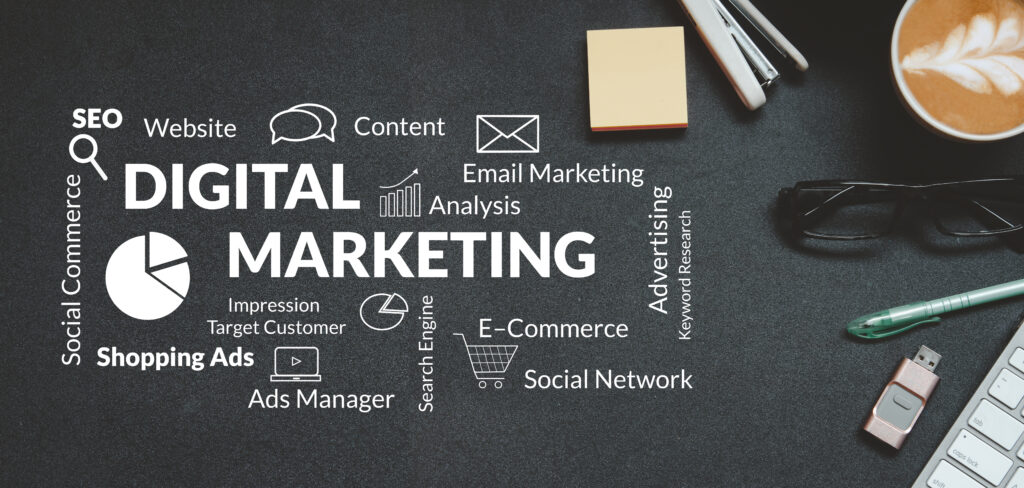
Digital marketing is a powerful strategy that helps brands grow online by using tools like SEO, content creation, social media, email marketing, and paid advertising. These channels work together to boost visibility, attract targeted audiences, and increase sales. From building optimized websites to running engaging campaigns, digital marketing blends creativity with data to deliver measurable results. It’s a fast-evolving field offering exciting career paths such as SEO specialists, content writers, social media managers, and data analysts. Each role plays a vital part in helping businesses connect with customers and stay competitive in the digital space. Whether you’re launching a brand or scaling an e-commerce store, mastering digital marketing techniques like keyword research, influencer outreach, and conversion tracking can make a big impact. With the right mix of strategy and innovation, digital marketing empowers businesses to grow, adapt, and thrive in today’s online world.
Most Effective Digital Marketing Channels
Search Engine Optimization (SEO)
Optimizing a website’s content and structure to achieve higher rankings in search engine results pages (SERPs).
- Content Marketing
Creating and sharing valuable content to attract and engage an audience.
Promoting brands and products by building a community on social media platforms.
- Google (Ads)
- Facebook (ads)
- YouTube (Ads)
Running paid ad campaigns where you pay only when a user clicks on your ads.
Sending targeted emails to a specific audience to promote products or services.
Partnering with others to promote products and earn a commission on sales.
Collaborating with influential people to market products to their followers.
Managing a company’s reputation and building relationships with online media and influencers.
Main Features
- Data Analysis & Insights
Leveraging data from multiple digital marketing channels to decode audience behavior, measure performance, and refine campaign strategies.
- Mobile Marketing
Engaging users through smartphones and tablets with mobile apps, SMS campaigns, push notifications, and mobile-optimized websites.
- Video Marketing
Producing and distributing engaging video content across platforms such as YouTube, TikTok, Instagram, and other social media networks.
- Personalized Marketing
Delivering customized messages, offers, and experiences based on individual customer preferences, purchase history, and online behavior.
- Omni-channel Marketing
Creating a unified and consistent brand experience by seamlessly integrating multiple digital and offline marketing channels.
- Artificial Intelligence & Machine Learning Solutions
Employing next-generation technologies to improve efficiency, deliver customized experiences, forecast industry shifts, and maximize ROI in digital marketing.
Why Do Companies Use Digital Marketing?

Companies use digital marketing for several key reasons, including cost-effectiveness, the ability to reach a wider audience, and the capacity for measurable results. This approach allows businesses to more effectively attract and engage with new customers.
The main benefits are:
- Wide Reach: Digital marketing enables businesses to connect with a global audience, regardless of location. This is especially valuable for companies aiming to expand beyond local markets.
- Cost-Effectiveness: Compared to traditional advertising, digital marketing is far more affordable. Many online tactics, such as SEO and social media marketing, can be executed with modest budgets, making them ideal for startups and small businesses.
- Measurable Results: With tools like Google Analytics, marketers can track performance in real time—monitoring user behavior, conversions, and engagement. This data-driven approach makes it easier to refine strategies and maximize ROI.
- Targeted Campaigns: Digital marketing allows for precise audience targeting. Brands can reach specific segments based on demographics, interests, and behaviors, ensuring campaigns are highly relevant and effective.
- Interactive Engagement: Unlike traditional methods, digital platforms encourage twoway communication. From responding to social media comments to personalized email replies, businesses can build stronger customer relationships through direct engagement.
- Flexibility & Adaptability: The digital landscape evolves constantly, and marketing strategies can adapt quickly to new tools, platforms, and trends. This flexibility ensures campaigns remain fresh, relevant, and impactful over time.
The Scope of Digital Marketing

Digital marketing today covers far more than just posting ads on Facebook or Instagram. It encompasses a wide range of strategies, platforms, and technologies designed to connect businesses with audiences, build long-term relationships, and drive measurable growth. With more than half of consumers discovering brands through social media, and platforms like Instagram reaching millions of users daily, the scope of digital marketing continues to expand rapidly.
Digital Marketing: Future & Growth
Digital marketing is evolving rapidly, driven by advancements in technology, shifts in consumer behavior, and changing market demands. The industry’s future holds tremendous growth, shaped by several emerging trends.
1. Voice SEO Strategies
With the rise of voice assistants like Alexa, Siri, and Google Assistant, optimizing content for voice queries has become essential. Businesses are now creating more conversational and long-tail query-friendly content to meet this demand.
2. Video Marketing Strategies
Video continues to dominate digital platforms as audiences engage more with dynamic video content than static text or images. Platforms such as YouTube, TikTok, and Instagram Reels are fueling this trend, making video a powerful tool for brand storytelling and customer engagement.
3. AI and Automation
Artificial intelligence is revolutionizing marketing by streamlining customer service, personalizing user experiences, and analyzing customer behavior in real time. From chatbots to predictive analytics, AI-driven tools are reshaping how businesses interact with their audience.
4. Interactive Content Strategies
Polls, quizzes, and other interactive formats are transforming content marketing. Such elements not only increase user engagement but also boost website retention and improve SEO rankings by encouraging deeper interaction.
5. A Deep Dive into AR/VR Development and Platforms
AR and VR are enhancing the digital shopping experience. Augmented reality, for instance, allows customers to “try before they buy,” bridging the gap between online and in-store shopping, while VR offers immersive brand experiences.
Step-by-Step Online Marketing Guide

Digital marketing can be one of the most profitable investments for businesses today, but only if it’s executed strategically. A campaign without proper planning, research, and creativity often fails to deliver the desired results. To build a campaign that truly drives growth, you need a clear roadmap. Below, we’ll break down the essential steps to help you plan a high-performing digital marketing campaign.
1. Identify Your Target Audience
The foundation of any successful marketing strategy lies in knowing who you are trying to reach. If your campaign targets the wrong audience, you won’t generate meaningful leads or sales.
- Define demographics and psychographics: Age, location, gender, income level, interests, and buying behaviors.
- Use data-driven tools: Analytics platforms, customer surveys, and social media insights can reveal where your audience spends time online.
- Leverage personalization: Today’s technology allows you to deliver hyper-targeted messages, ensuring your campaign resonates with the right people.
2. How to Create and Optimize Your Marketing Funnel for Growth
A marketing funnel represents the journey your customers take from awareness to conversion. Each stage requires tailored content and strategies.
- Top of the Funnel (Awareness)
Prospects are looking for answers. Publish SEO-optimized blogs, social media posts, or videos that educate and attract visitors. - Middle of the Funnel (Consideration)
Customers compare solutions. Provide in-depth content like eBooks, case studies, webinars, or product comparisons that highlight your value. - Bottom of the Funnel (Decision)
Prospects are ready to purchase. Use personalized email campaigns, free trials, discounts, or live demos to convert them into paying customers. - Retention and Remarketing
Even after conversion, the funnel continues. Remarketing ads, loyalty programs, and personalized content keep your brand top of mind and encourage repeat purchases.
Understanding how your target audience moves through this funnel is crucial to increasing conversion rates.
3. How to Define Clear Goals and KPIs for Better ROI
Without measurable goals, your campaign will lack direction. Define what success looks like.
- Do you want to increase website traffic?
- Generate qualified leads?
- Improve conversion rates?
- Boost brand awareness?
Tie these objectives to Key Performance Indicators (KPIs) for Better ROI such as click-through rates, cost per acquisition, or return on ad spend.
5. How to Monitor, Analyze, and Optimize
A digital marketing campaign is never “set it and forget it.” Use analytics tools to track performance, identify weaknesses, and adjust your tactics. Continuous testing whether A/B testing ad creative, tweaking headlines, or refining targeting ensures your campaign keeps improving over time.
Final Plan for Growth

Planning a digital marketing campaign isn’t just about posting ads. It about knows your audience, setting clear goals, building a smart strategy, and using the right tools like websites, social media, and email. With creative ideas and smart use of data, businesses can get better results and build strong customer connections.
If this all feels too much to handle, hiring a digital marketing agency can help. They save you time, cut costs, and get faster results. Experts in SEO, content, paid ads, and analytics know what works and they help your business grow in today’s tough online world.
FAQs:
Digital Marketing Career, Salary, Future, and Opportunities
Q1. Is Digital Marketing a promising career in India?
Yes. With rapid digital adoption, digital marketing has become one of the most in-demand and high-paying career options in India.
Q2. How much does a Digital Marketer earn in Pakistan?
On average, a digital marketer in Pakistan earns around PKR 469,000 per year. Salaries vary based on experience, with managers and strategists earning much higher.
Q3. How much does a Digital Marketer earn in the USA?
In the USA, digital marketing specialists earn about $50,000 annually, while experienced managers can make $75,000 or more, depending on skills and location.
Q4. Does Digital Marketing have a future?
Absolutely. With evolving technologies, AI tools, and shifting consumer behavior, digital marketing offers a secure future and continues to be a powerful tool for career growth and business success.
Q5. Why is Digital Marketing considered a global career opportunity?
Because digital marketing skills are universal, professionals can work remotely across countries like India, Pakistan, and the USA, making it one of the best global career paths.
